The ultimate safari guide: what to see in Africa
January 14, 2026
A safari in Africa isn’t just about wildlife—it’s about learning how to slow down, observe, and experience nature on its own terms.
Understanding what a safari in Africa really means
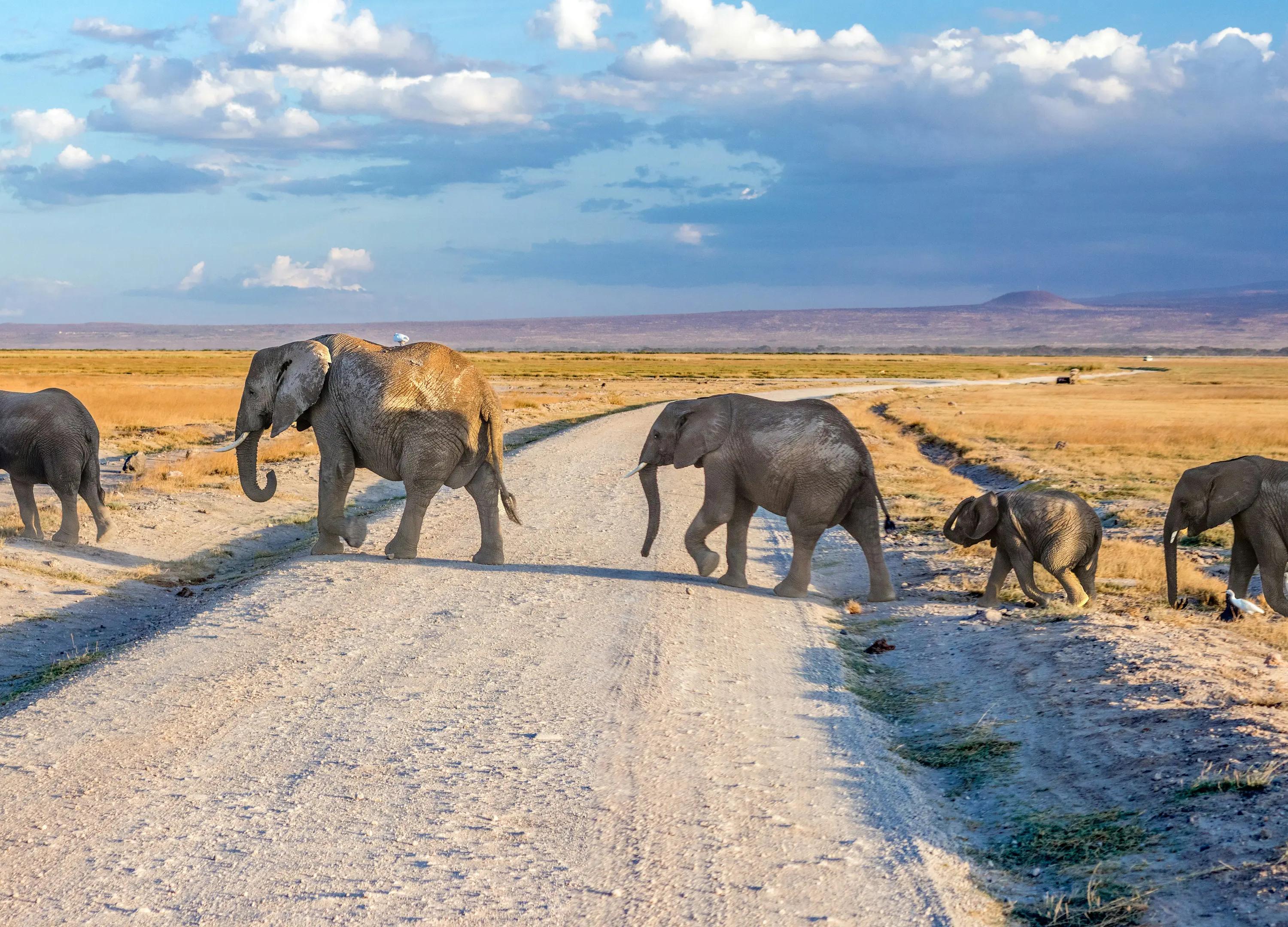
For many travelers, an African safari begins as an idea shaped by images—lions moving through tall grass, elephants crossing open plains, vast landscapes stretching endlessly toward the horizon. It’s often framed as a checklist of sightings, a pursuit of the “Big Five,” or a once-in-a-lifetime experience defined by what you see. But a real safari in Africa isn’t built around a list. It’s built around presence. Once you’re there, the experience begins to shift. Hours pass not in search of constant action, but in observation. You start to notice patterns—the way the land moves with the wind, the way animals interact without urgency, the way silence carries meaning. Safari becomes less about chasing moments and more about understanding them as they unfold. And that’s where the experience deepens. Not in how much you see, but in how you begin to see it.
Where to go on safari in Africa: choosing the right destination
Africa offers some of the most diverse safari destinations in the world, and each region provides a completely different experience. Choosing where to go on safari depends less on what’s “best” and more on what kind of journey you’re looking for. In East Africa, destinations like the Serengeti in Tanzania and the Maasai Mara in Kenya are known for their vast, open landscapes and the Great Migration—one of the most remarkable wildlife movements on the planet. Here, the scale of the environment is part of the experience. You’re not just observing wildlife; you’re witnessing an ecosystem in motion. Further south, countries like South Africa, Botswana, and Namibia offer a different approach to safari. National parks such as Kruger provide accessibility and structure, while places like the Okavango Delta introduce a more water-based safari experience, where movement happens through channels and wetlands rather than open plains. Tanzania itself offers a layered safari journey. The Serengeti’s openness contrasts with the Ngorongoro Crater, where wildlife exists within a natural enclosure, creating a more concentrated and intimate experience. Parks like Tarangire add another dimension, known for large elephant populations and landscapes defined by ancient baobab trees. Each destination carries its own rhythm. Some feel expansive and unpredictable. Others feel contained and immersive. There’s no single version of a safari—only different ways of experiencing it.
What you actually see: beyond the Big Five
The Big Five—lion, leopard, elephant, buffalo, and rhino—are often at the center of safari expectations. And while seeing them is undeniably powerful, they represent only a small part of what makes a safari in Africa meaningful. What often stays with you are the moments that aren’t planned. A herd moving slowly across the horizon. A quiet pause before something shifts. The way light changes the landscape throughout the day. You begin to notice smaller details—the behavior of animals, the interactions between species, the subtle balance within the environment. Birds, insects, and even the movement of grass become part of the experience. Nothing feels isolated; everything is connected. Safari teaches you to expand your perspective. It’s not just about iconic sightings—it’s about understanding the full picture of what’s happening around you.
The pace of safari: learning to slow down
One of the most defining aspects of an African safari is its pace. Unlike many forms of travel, where movement is constant and structured, safari operates differently. You don’t control the timeline. You don’t decide when something happens. Game drives often begin early in the morning or late in the afternoon, aligning with the natural behavior of wildlife. In between, there are long stretches of stillness—time spent waiting, observing, or simply being present in the environment. At first, this pace can feel unfamiliar. But gradually, it becomes one of the most valuable parts of the experience. You begin to let go of urgency. You stop anticipating what comes next. And instead, you settle into what’s already there. This shift is subtle, but it changes everything. The experience becomes less about activity and more about awareness.
When to go on safari in Africa
Timing plays an important role in shaping a safari experience, but it doesn’t define it entirely. Different seasons offer different perspectives, and each comes with its own advantages. The dry season, typically from June to October in many East African destinations, is often considered the best time for wildlife viewing. Animals gather around water sources, vegetation is thinner, and visibility is higher. This is also when events like the Great Migration are most active in certain regions. The green season, which follows the rains, offers a completely different atmosphere. Landscapes become more vibrant, fewer travelers are present, and the experience feels quieter and more intimate. While wildlife can be more dispersed, the environment itself becomes part of what makes the journey memorable. Choosing when to go isn’t about finding the “perfect” time—it’s about understanding what kind of experience you’re looking for.
What a safari in Africa leaves you with
By the end of a safari, what stays with you isn’t just the images or the sightings—it’s the shift in perspective. The way time felt different. The way attention moved from big moments to smaller ones. The way the experience asked you to be present, rather than in control. A safari in Africa doesn’t try to impress you constantly. It doesn’t overwhelm you with activity. Instead, it creates space—space to observe, to reflect, and to experience something that exists entirely on its own terms. And once you’ve experienced that, it’s difficult to approach travel the same way again. Because safari isn’t just something you do. It’s something you learn to be part of.