Unravelling Egypt: a place that has always been in motion
February 7, 2026
Egypt isn’t something you arrive at all at once. It’s a place that slowly reveals itself—through its cities, its people, and the moments in between.
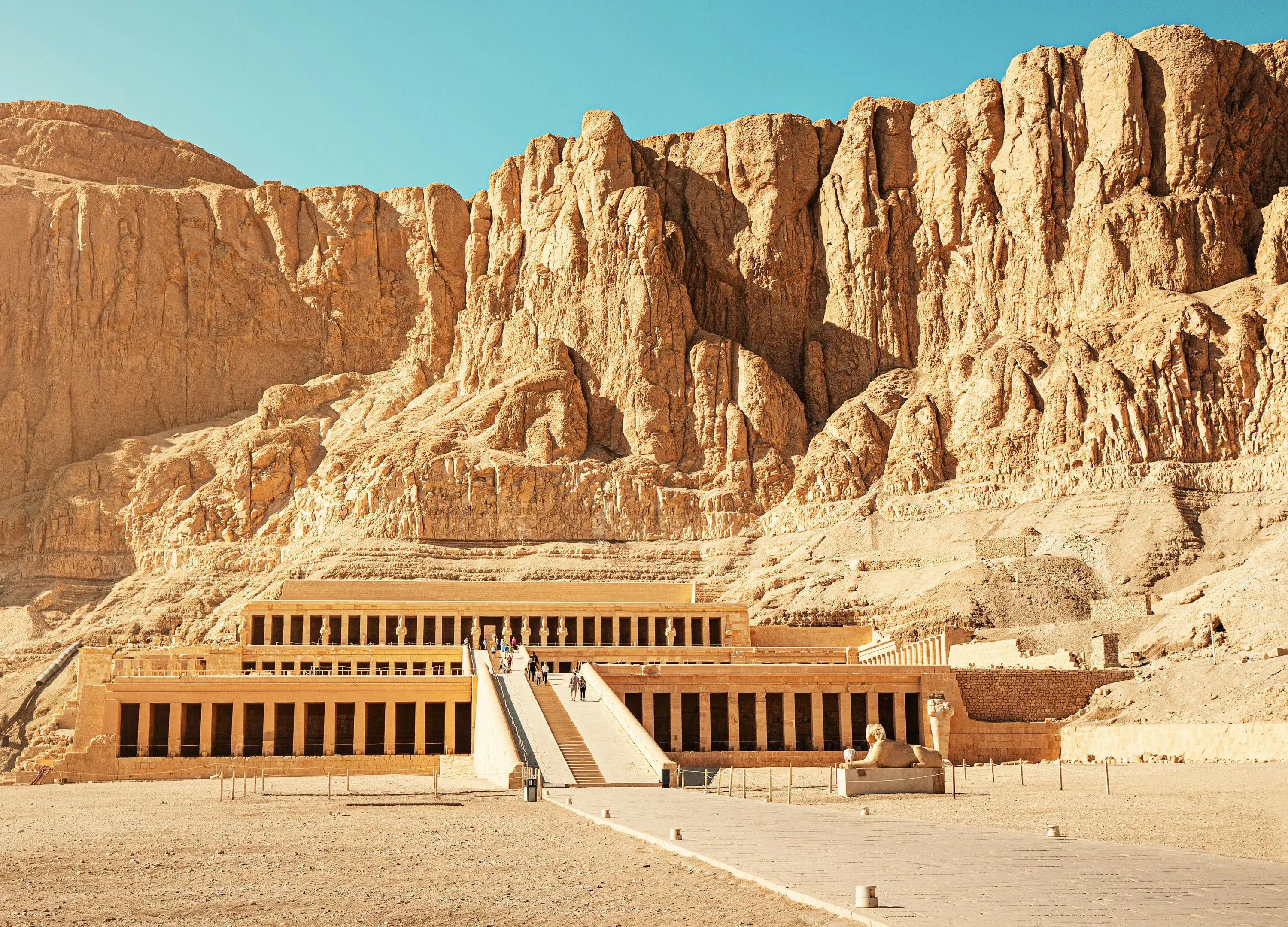
You don’t really arrive in Egypt, you ease into it
For many travelers, the first encounter with Egypt begins in Cairo, and it rarely feels subtle. The city is alive in a way that’s hard to immediately understand. Traffic flows in its own rhythm, streets are constantly moving, and every corner seems to carry its own energy. At first, it can feel overwhelming, especially if you’re visiting Egypt for the first time. But that initial intensity is part of the experience. As you spend more time in Cairo, something begins to shift. You start to notice patterns in what once felt like chaos—the pauses between movement, the way people navigate the city with ease, the quiet moments that exist beneath the surface. What felt fast begins to feel intentional. Traveling to Egypt isn’t about instant clarity. It’s about allowing yourself to adjust, to observe, and to slowly find your place within it. And once you do, the experience becomes far more rewarding than you expected.
A land where history and everyday life exist side by side
Egypt is often defined by its ancient history, and understandably so. The pyramids of Giza, the temples of Luxor, and the monuments along the Nile are some of the most recognizable landmarks in the world. They represent thousands of years of civilization, architecture, and cultural legacy that continue to draw travelers from around the globe. But what makes Egypt different from many other historical destinations is that its past doesn’t feel separate from its present. In Cairo, you might move from a modern neighborhood into an area that feels centuries old within minutes. In Luxor, daily life unfolds just steps away from temples that have stood for millennia. Along the Nile, the same river that once sustained ancient Egypt continues to shape life today. This coexistence is what makes traveling through Egypt so unique. It’s not about stepping back in time—it’s about experiencing how time layers itself within a place. The history is always there, but it’s never isolated from the present moment.
Beyond the pyramids: discovering Egypt’s diverse landscapes
While many associate Egypt with desert landscapes and ancient monuments, the country offers far more variety than most expect. Traveling beyond Cairo opens up entirely different experiences, each with its own pace and character. Heading south to Luxor and Aswan, the Nile becomes central to the journey. Life slows down here, and the connection between land and water becomes more apparent. Traditional feluccas move gently along the river, and the surrounding landscapes feel both vast and intimate at the same time. To the east, the Red Sea introduces a completely different side of Egypt. Destinations like Hurghada, El Gouna, and Sharm El Sheikh are known for their clear waters, coral reefs, and coastal atmosphere. Here, the pace shifts again—days are shaped by the sea, and the experience becomes more about calm, movement, and space. Even within the desert itself, there are contrasts. The White Desert, with its surreal rock formations, offers a landscape that feels almost otherworldly, while Sinai presents mountains, trails, and a sense of quiet isolation that’s difficult to find elsewhere. Egypt isn’t defined by a single environment. It’s a country of contrasts, and moving between them is part of what makes the journey feel complete.
The culture you feel through everyday moments
What often leaves the strongest impression on travelers isn’t just what they see—it’s how they experience it. Egyptian culture is deeply rooted in connection, hospitality, and everyday interaction. Whether you’re sitting in a small café, walking through a local market, or speaking with someone you’ve just met, there’s a sense of openness that feels natural rather than staged. These interactions don’t need to be long or significant to matter. A short conversation, a shared laugh, or a simple gesture can change how a place feels. Over time, these small moments begin to shape your understanding of Egypt far more than any single landmark. Food also plays a central role in this experience. Egyptian cuisine is simple, comforting, and deeply tied to daily life. From traditional dishes like koshari and ful to fresh bread and local street food, meals are less about presentation and more about familiarity and warmth. Sitting down to eat often becomes an experience in itself—one that extends beyond the table.
What traveling to Egypt leaves you with
By the time your journey through Egypt comes to an end, it rarely feels complete in the way you might expect. There’s always more to see, more to understand, more to experience. But that’s part of what makes it memorable. Egypt doesn’t offer a single narrative. It offers layers—of history, culture, movement, and everyday life that continue to unfold long after you leave. You don’t walk away with a clear definition of the country. Instead, you carry impressions, moments, and a sense of familiarity that grows over time. Traveling to Egypt is less about understanding everything and more about experiencing enough to stay curious. It’s a place that doesn’t try to simplify itself—and that’s exactly why it stays with you.