Zanzibar in summer: where the island finds its rhythm
March 18, 2026
Summer in Zanzibar isn’t about doing more—it’s about slowing down enough to feel where you are.
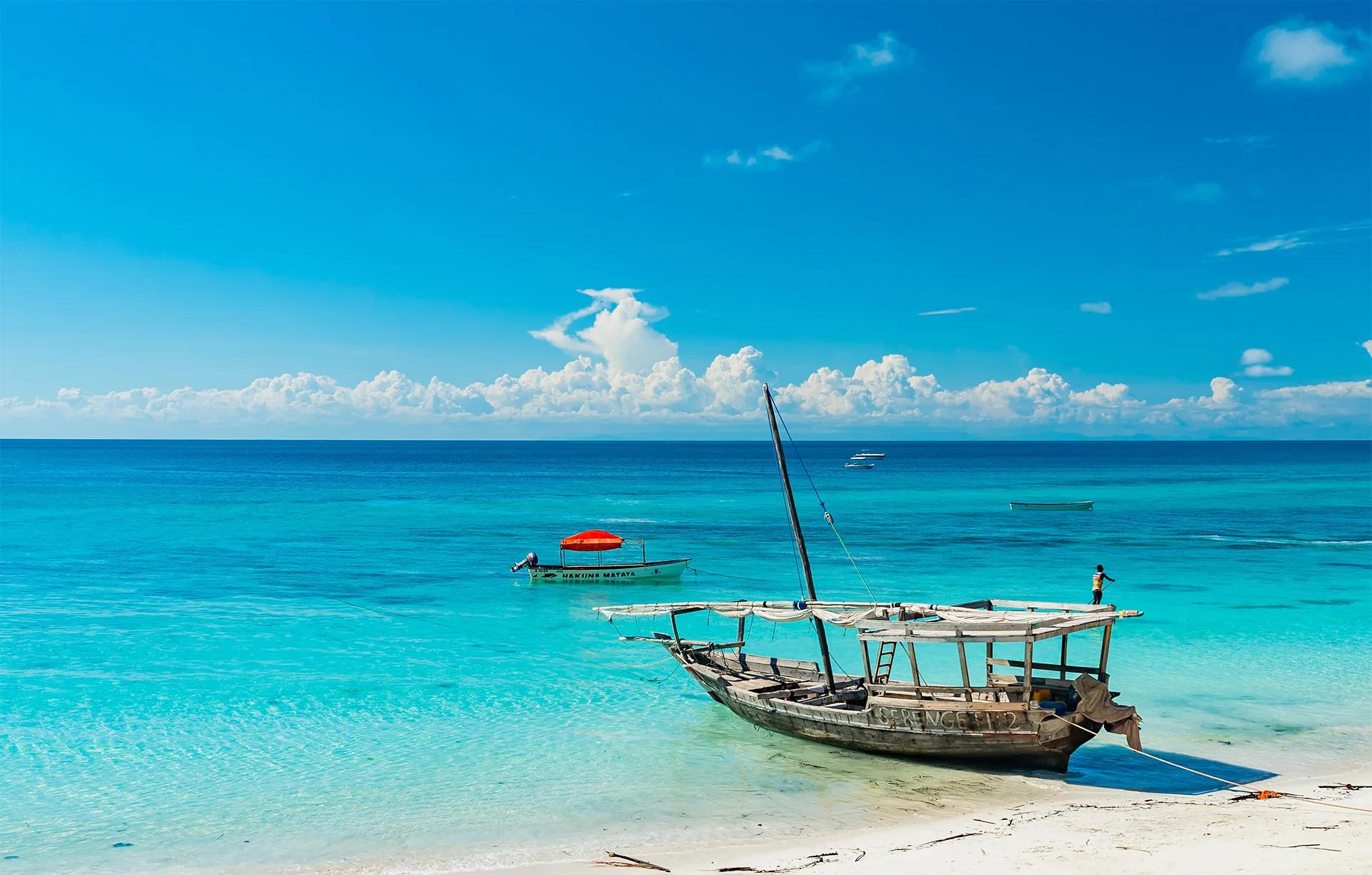
You don’t rush into Zanzibar, you settle into it
Arriving in Zanzibar during the summer months doesn’t feel like stepping into something new as much as it feels like stepping out of something familiar. The shift is immediate, but not overwhelming. The air is warmer, softer. The pace slows without asking you to notice. At first, you might still carry your usual rhythm—the need to plan, to move, to see everything. But Zanzibar doesn’t respond to that kind of energy. It invites something different. Days stretch longer, not because of time, but because of how they unfold. Mornings begin slowly, often with the sound of the ocean in the background, and nothing feels urgent enough to interrupt it. Summer in Zanzibar isn’t defined by a schedule. It’s defined by how easily you let go of one.
The coastline: shaped by tide, light, and time
Beyond Stone Town, Zanzibar’s coastline defines the rhythm of the island, especially in summer. The tides shift dramatically throughout the day, changing not just the view, but how you experience the beach itself. In the morning, the water may stretch endlessly toward the horizon. By afternoon, it pulls back, revealing sandbanks, coral, and pathways you didn’t see before. Places like Nungwi and Kendwa offer a different kind of stillness. Here, the ocean feels constant, less affected by the tide, and the days are shaped by long stretches of time spent by the water. There’s no pressure to do anything beyond being there. Swimming, walking, sitting—each becomes enough on its own. Further out, islands like Mnemba feel even more removed. The water is clearer, quieter, and the experience becomes less about the place itself and more about the feeling it creates. Summer amplifies this—longer days, softer evenings, and a sense that everything is unfolding exactly as it should.
A culture that reveals itself slowly
Zanzibar’s culture doesn’t present itself in obvious ways. It’s not something you observe from a distance—it’s something you begin to understand through small, everyday moments. A conversation at a local shop, the rhythm of music in the background, the way people greet each other in passing. There’s a strong sense of continuity here. Traditions are part of daily life, not something set aside for visitors. The influence of Swahili culture, shaped by centuries of trade and exchange, is present in everything—from language to food to architecture. Meals, in particular, become a way into that experience. Fresh seafood, spices, tropical fruits—everything feels tied to the island itself. Dining isn’t rushed. It stretches, just like the rest of the day, allowing space for conversation and pause.
Summer evenings that don’t ask for much
As the day winds down, Zanzibar becomes quieter, but never still. Evenings arrive gradually. The heat softens, the light changes, and the island shifts into a slower, more reflective pace. Sunsets here don’t feel like events—they feel like transitions. The sky changes color, people gather without intention, and the day closes without needing to be marked. Some nights are spent by the water, others in small restaurants or open spaces where time seems to pass without being tracked. There’s nothing you need to do. And that’s what makes it memorable.
What Zanzibar in summer leaves you with
By the time you leave Zanzibar, it’s not the list of places that stays with you—it’s the way the island made you feel. The slower mornings, the shifting tides, the quiet moments that didn’t ask for attention but stayed anyway. Summer in Zanzibar doesn’t try to impress. It doesn’t overwhelm you with options or intensity. Instead, it offers space—space to pause, to notice, to experience things as they are. And somewhere within that, the island becomes less of a destination and more of a rhythm you carry with you long after you’ve left.